Miami-Dade County SMART Curbs Program
Urban Health Partnerships spearheaded community engagement for the SMART Curbs Program, fostering collaboration among residents, delivery workers, businesses, and public agencies to enhance curbside management solutions in Downtown Miami and Brickell.
Purpose and Innovation

The SMART Curbs Program was designed to tackle the growing challenges of delivery demand, congestion, and street safety in Downtown Miami and Brickell. By exploring innovative curbside management solutions, the program aimed to streamline logistics, improve safety, and enhance the urban environment.
Through strategic planning and collaboration, the program sought to address the complexities of urban transportation, ensuring that curbside spaces are used efficiently and equitably to benefit all stakeholders involved.
By leveraging technology and community insights, the program developed forward-thinking strategies to optimize curb usage, reduce congestion, and promote safer, cleaner streets for everyone.
Program Goals
The SMART Curbs program is committed to transforming urban transportation through targeted goals that prioritize safety, efficiency, and community involvement.
Create Safer Streets
Minimize roadway risks and reduce congestion with better curbside management and the adoption of zero-emission vehicles
Protect the Climate
Support Miami-Dade County’s climate goals by reducing emissions, promoting clean air, and encouraging sustainable delivery practices
Boost the Local Economy
Increase delivery efficiency, create jobs in last-mile logistics, and support the management of MicroFreight hubs
Engage the Community
Ensure input from all residents to guide planning and implementation
Community Liaison Framework
Empowering Local Voices
Urban Health Partnerships has effectively implemented its Community Liaison Framework, a strategic initiative designed to foster meaningful community engagement. This framework empowers trained community members to lead outreach efforts, ensuring that local voices are heard and integrated into the planning process. By leveraging the insights and experiences of these liaisons, the program successfully bridges the gap between residents, businesses, and public agencies, creating a collaborative environment for innovative curbside management solutions. The framework not only enhances communication but also builds trust and accountability among all stakeholders involved.
Through this approach, Urban Health Partnerships has been able to gather valuable feedback and insights that directly inform project planning and execution. Community Liaisons play a crucial role in identifying key stakeholders, facilitating discussions, and ensuring that the diverse perspectives of the Miami-Dade County community are represented. This grassroots engagement strategy is pivotal in addressing the unique challenges faced by the Downtown Miami and Brickell areas, ultimately contributing to safer, more efficient, and community-driven transportation solutions.
Community Outreach
Urban Health Partnerships conducted extensive outreach activities to engage with a diverse range of stakeholders in the Miami-Dade County SMART Curbs Program. Our team engaged directly with delivery drivers, local businesses, and public agencies to gather comprehensive insights and foster collaborative relationships. These efforts included face-to-face meetings, workshops, and interactive sessions designed to facilitate open dialogue and feedback.
To ensure clear communications, we developed multilingual outreach materials and conducted on-the-ground conversations in both Downtown Miami and Brickell. This approach allowed us to effectively communicate the program’s objectives and gather input from a wide array of participants. By actively involving the community in the decision-making process, we were able to tailor solutions that address the specific needs and challenges of the area, ultimately enhancing curbside management and transportation efficiency.
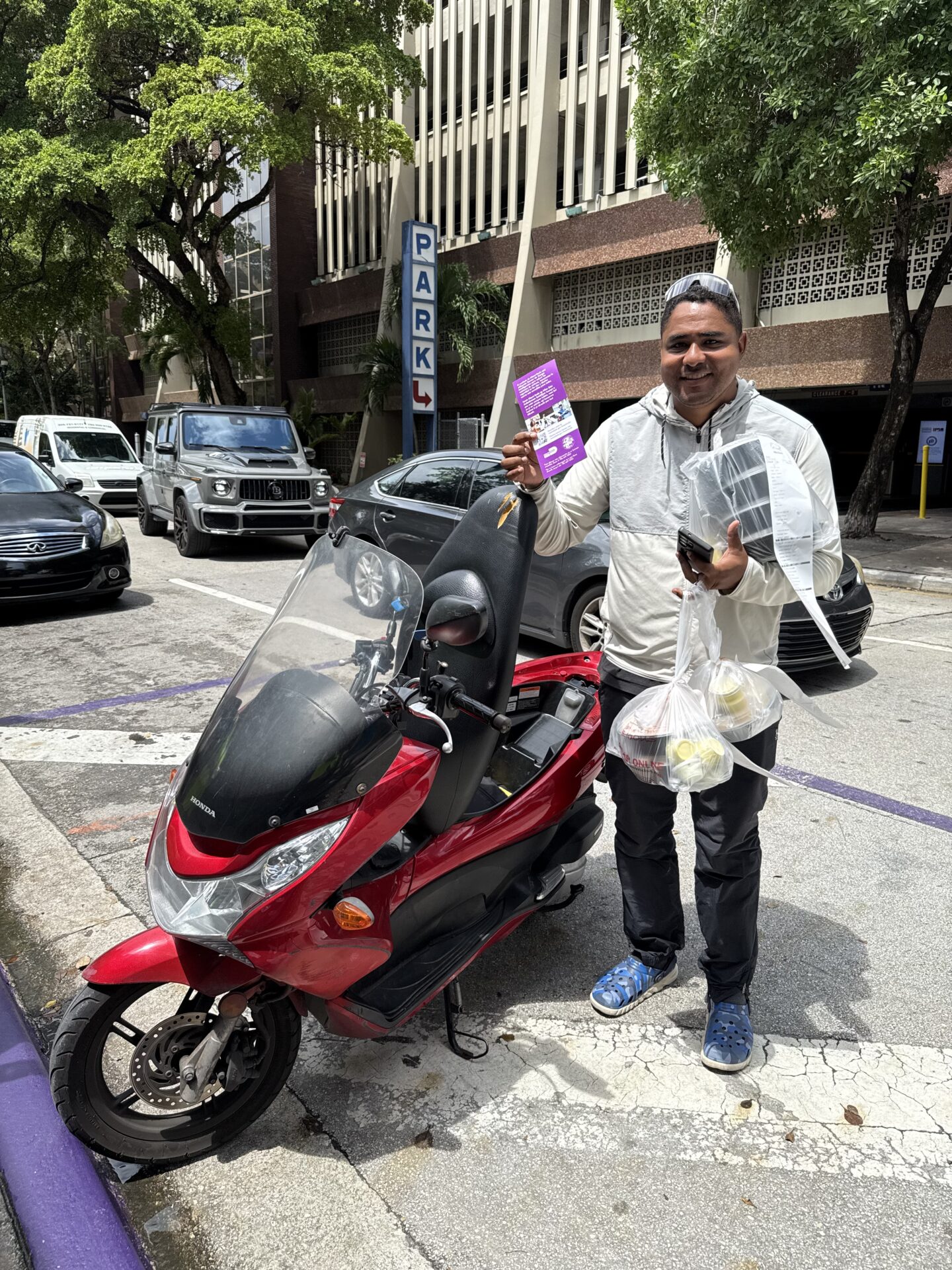
Our outreach strategy emphasized transparency and collaboration, fostering a sense of ownership and commitment among all participants. By building strong relationships with key stakeholders, Urban Health Partnerships successfully facilitated a community-driven approach to transportation planning, ensuring that the voices of those most affected by curbside management issues were heard and considered in the development of innovative solutions.

Engagement Highlights
Our engagement efforts in the Miami-Dade County SMART Curbs Program have yielded significant results, highlighting the breadth of our outreach and collaboration. Through our dedicated initiatives, we successfully engaged with 46 delivery drivers, providing them with a platform to share their experiences and insights. Additionally, we consulted with 9 local delivery businesses, ensuring that their operational challenges and needs were addressed in our planning process.
46 Delivery Drivers Engaged
9 Local Delivery Businesses Consulted
6 National Freight Companies Engaged
5 Government Agencies Consulted
Technology and Digital Transparency
The SMART Curbs Program leveraged cutting-edge technology to effectively monitor curbside activity, ensuring data-driven decisions. By adopting the Digital Trust for Places and Routines (DTPR) standard, the project maintained transparency, allowing the public to understand how data was collected and utilized to enhance curb management strategies.
Utilizing advanced sensors and data analytics, the project provided real-time insights into curb usage patterns. The DTPR framework facilitated clear communication with the community, fostering trust and understanding of the technological processes involved in the program.
Through the integration of digital tools, the initiative not only improved operational efficiency but also set a precedent for future projects in terms of transparency and public engagement in data practices.
Key Insights from Community Feedback
Understanding Community Needs
Project Outcomes
Understanding Curbside Logistics
The SMART Curbs Program significantly enhanced our understanding of curbside logistics by analyzing real-time data and community feedback. This comprehensive approach allowed us to identify key challenges and opportunities for optimizing curbside management in high-traffic areas.
Through the integration of community-driven insights, the project informed future strategies for curb management, ensuring that solutions are both effective and sustainable. By prioritizing community engagement, the initiative demonstrated the critical role of local input in advancing transportation innovation and improving urban mobility.
Understanding Community Needs
Community feedback highlighted significant congestion at loading zones, underscoring the need for improved curb access. The increased use of mopeds and e-bikes for deliveries was noted, presenting both opportunities and challenges for curbside logistics. Additionally, stakeholders emphasized the importance of optimizing delivery timing to alleviate pressure on busy streets.
Project Partners
Miami-Dade County Department of Transportation and Public Works
Key governmental partner providing strategic oversight and support for transportation initiatives.
Urban Health Partnerships
Led community engagement efforts, connecting stakeholders and community members to inform project outcomes.
Cityfi
Consulted on urban mobility solutions and innovative transportation strategies.
Automotus
Provided technology solutions for monitoring and managing curbside activities.
Blue Systems
Contributed data analytics and insights for optimizing curbside management.
INRIX
Offered traffic data and analytics to enhance transportation planning.
Urban Freight Lab
Collaborated on research and development of freight and delivery solutions.
Miami Parking Authority
Partnered to improve parking and curbside access in urban areas.